Expert Mold Remediation Services
We specialize in thorough mold remediation across Kaufman and nearby communities. Mold can quickly become a serious health risk, especially when hidden in walls, crawlspaces, or older ductwork after storms, leaks, or plumbing problems.
Our certified team uses IICRC-approved methods to locate, contain, and remove mold effectively, restoring air quality and safety. We also handle water damage restoration, air duct cleaning, and fire damage restoration, making us a one-stop solution after any disaster.
Our team helps guide you through insurance claims, so your documentation and coverage questions are answered. Available 24/7 for emergency response, we’re committed to fast, reliable remediation that protects your home and wellbeing every step of the way.
What Causes Mold Growth
Mold development is rarely the result of a single issue. Most often, it involves a mix of moisture, food sources, and the right temperatures over time. Below, we break down the most common contributing factors we find during mold remediation projects.
Hidden Moisture from Leaks and Intrusion
Unseen water problems are a leading reason people call a mold remediation company. Plumbing leaks inside walls or under floors, small roof penetrations, and poor window or door seals can let moisture build up undetected.
Wall cavities with damp drywall or wood can remain wet for weeks, creating ideal mold conditions before you notice warning signs. Our team uses moisture meters and inspection tools to pinpoint hidden sources and stop them for good.
High Humidity and Poor Air Circulation
We frequently encounter elevated indoor humidity during mold remediation jobs. If indoor air stays above 60% relative humidity, porous materials like drywall and carpet absorb moisture from the air.
Poor ventilation in bathrooms, closets, or laundry rooms makes this worse. Mold can start to show up as musty smells, surface spots, or fuzzy patches on contents and furniture. Using proper dehumidifiers and improving airflow are important parts of our remediation and prevention strategy.
Condensation and Temperature Differences
Condensation forms when warm, humid air meets a cooler surface, such as windows, AC ducts, or concrete slabs. Over time, this creates microclimates where mold spores settle and grow, even in rooms that seem dry.
This is common during AC use, especially in wall cavities and around vents. Our technicians identify these high-risk zones and recommend insulation or air sealing as needed to reduce ongoing problems.
Building Materials and Everyday Habits
Certain materials in your home, like paper-faced drywall, OSB, carpet, and insulation, are more likely to support mold when wet. Everyday habits such as drying clothes indoors, pushing furniture against exterior walls, or not using exhaust fans can trap moisture in these materials.
During remediation projects, we help homeowners spot these risk factors and adjust routines for long-term mold control.
Mold Removal Process Overview
We use detailed inspections, advanced cleaning tools, and proven protocols developed for both homes and commercial spaces. Our technicians follow strict guidelines for safety, compliance, and thoroughness, reflecting years of experience and industry certification.
Inspection and Precise Testing for Mold Hotspots
Every project begins with a careful inspection using moisture meters, infrared cameras, and air sampling. This allows us to detect hidden mold in walls, ceilings, or ductwork that many homeowners miss.
Our process also identifies the source of moisture from a recent leak, indoor humidity, or lingering dampness after a water loss, which may require water damage restoration services. Accurate, early identification leads to safer and more effective removal.
Containment and Removal Using Certified Methods
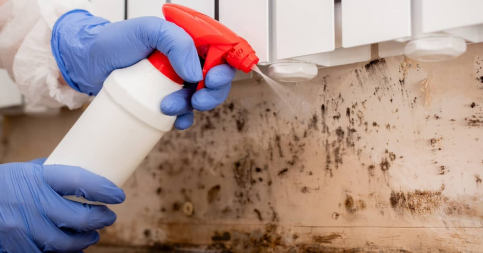
We secure affected areas to help prevent mold spores from spreading, using barriers and specialized filtration. Moldy drywall, insulation, or flooring is carefully removed and contained for disposal.
We then use professional-grade HEPA vacuums and antimicrobial treatments to clean remaining surfaces. This supports a safer return to normal as quickly as possible.
Restoration, Testing, and Long-Term Prevention
After removal, we dry spaces with commercial dehumidifiers calibrated for typical moisture conditions. Our team conducts clearance testing to verify that the area meets safety standards.
If repairs are needed, like replacing drywall or improving ventilation, we complete them to help prevent future outbreaks with a focus on lasting results. We also provide recommendations for ongoing moisture control and maintenance.
Our Mold Remediation Process
When you’re dealing with mold, you need a team that understands local homes and Texas humidity. Our approach targets both the source and the damage, making your home safe again.
We Assess Mold and Moisture
Our team starts by investigating areas where mold often hides, including attics, crawlspaces, walls, and air ducts. We look for visible mold, take moisture readings, and help identify leaks or humidity problems fueling the growth.
We Contain and Remove the Mold
We set up plastic barriers, use HEPA filtration, and take safety precautions to help keep mold from spreading through your home during cleanup. Once contained, we remove affected materials, clean surfaces, and address the root moisture source to reduce the chance of mold returning.
Thorough Cleaning and Drying
We HEPA-vacuum, wipe down hard surfaces, and set up air movers and dehumidifiers where needed, plus odor removal if musty smells persist. Every cleaned area is dried to standard moisture levels before any rebuilding starts.
Restore Surfaces and Reassemble Rooms
Our team replaces removed materials using methods suitable for your home and climate, including reconstruction when needed. We then tidy the space and return it to a livable condition for your family.